
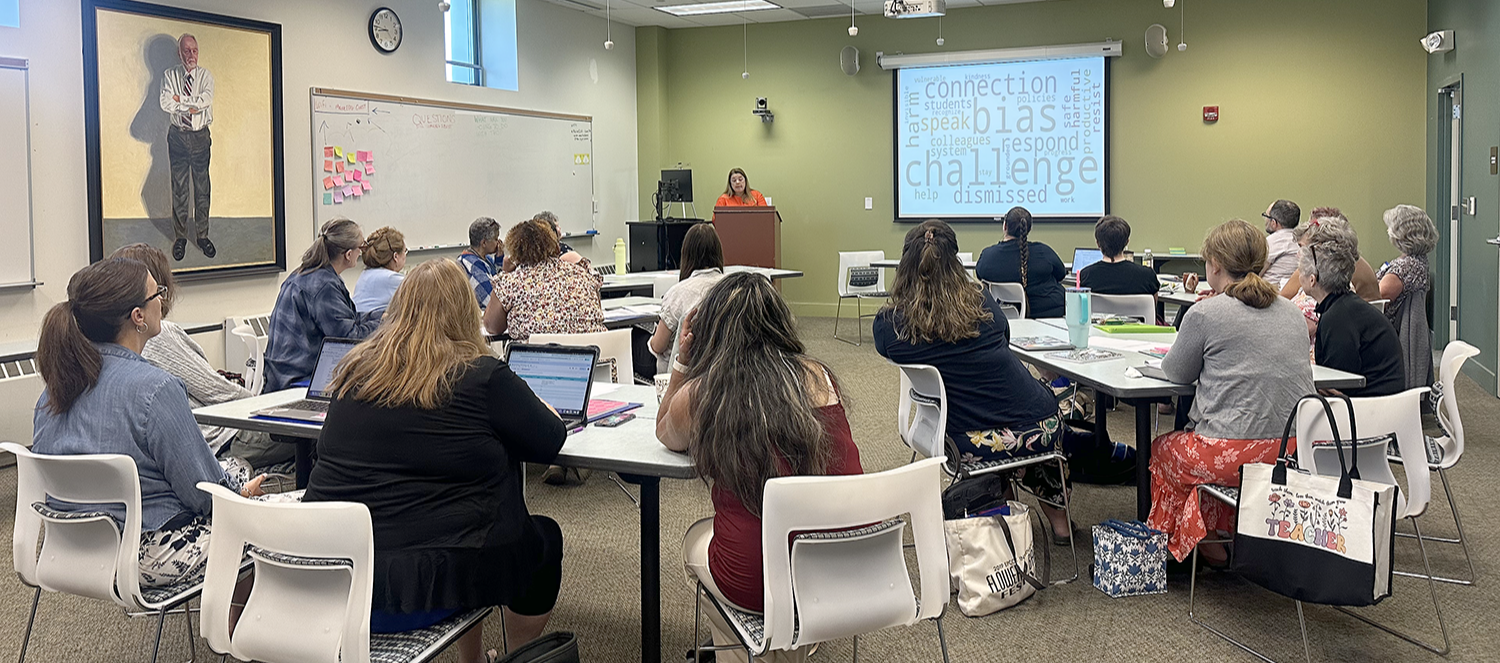
Below we describe a project that we worked on this year as examples of our daily work and the gratitude we feel for our jobs. We couldn't do any of it without you—our friends and supporters. We thank each one of you for your involvement and friendship.
Tam Huynh
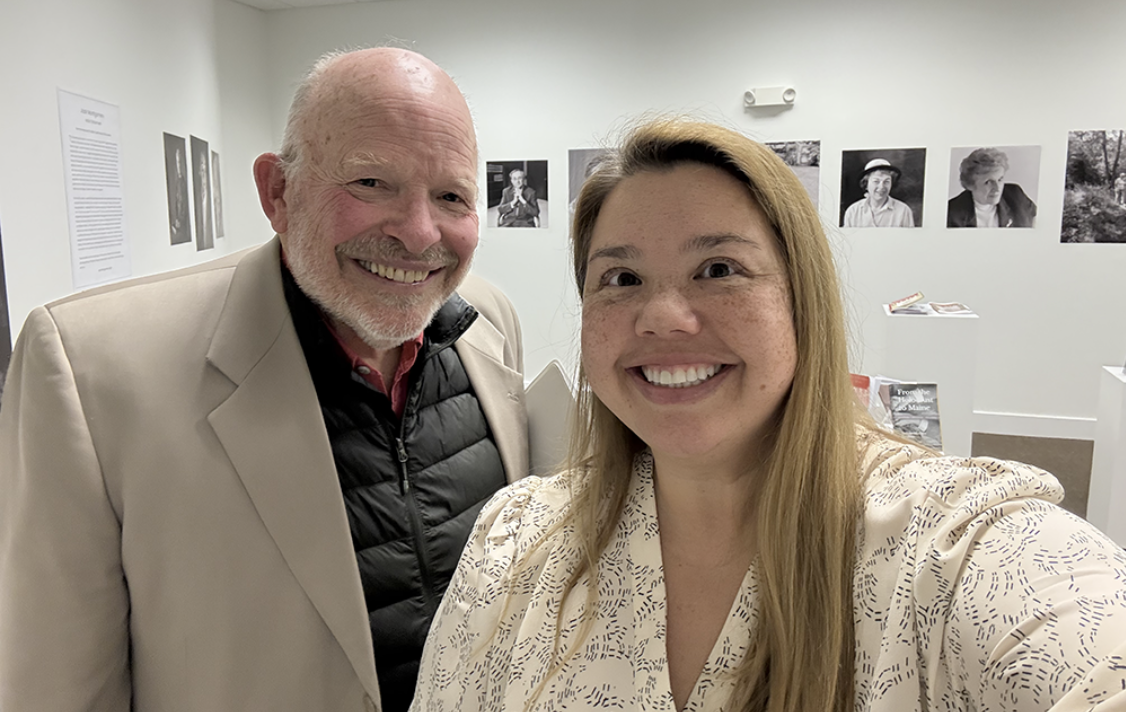
The Behind the Lens exhibit was a powerful and moving experience, featuring remarkable behind-the-scenes portraits. I am deeply grateful to Photographer Jack Montgomery, whose work and latest book, From the Holocaust to Maine: Testimonies of Survivors, beautifully honor the stories of Maine Holocaust survivors and preserve their legacies with care and respect. Being part of this exhibit and book project has been a true honor, and the book itself holds deep personal and professional meaning for me as its stories represent not only history, but the voices and lives of people who helped shape our Maine community and whom I have had the privilege to know and learn from. The book is a powerful reminder of the responsibility we share to preserve memory, honor resilience, and carry these lessons forward for future generations. I am grateful for the opportunity to help amplify these voices. To learn more about the book or visit the current exhibit, please visit hhrcmaine.org.

Erica Nadelhaft
The project that meant the most to me this year was planning and hosting the HHRC’s Yom HaShoah commemoration last spring. Over the past few years, I have worked to create a ceremony that brings us together as a community to remember and to grieve the survivors and victims of the Holocaust. I spent many hours reading Holocaust poetry and testimony to find just the right readings; I listened to endless hours of music to find the right pieces to play. And I worked to make the event one in which the community actively participates rather than sitting and listening as others speak. Grief is intensely personal, but it is also communal. I am grateful to have been able, and continue to be able, to provide a space for us to come together to remember, to cry, and to tell our stories.
Alex Magnaud
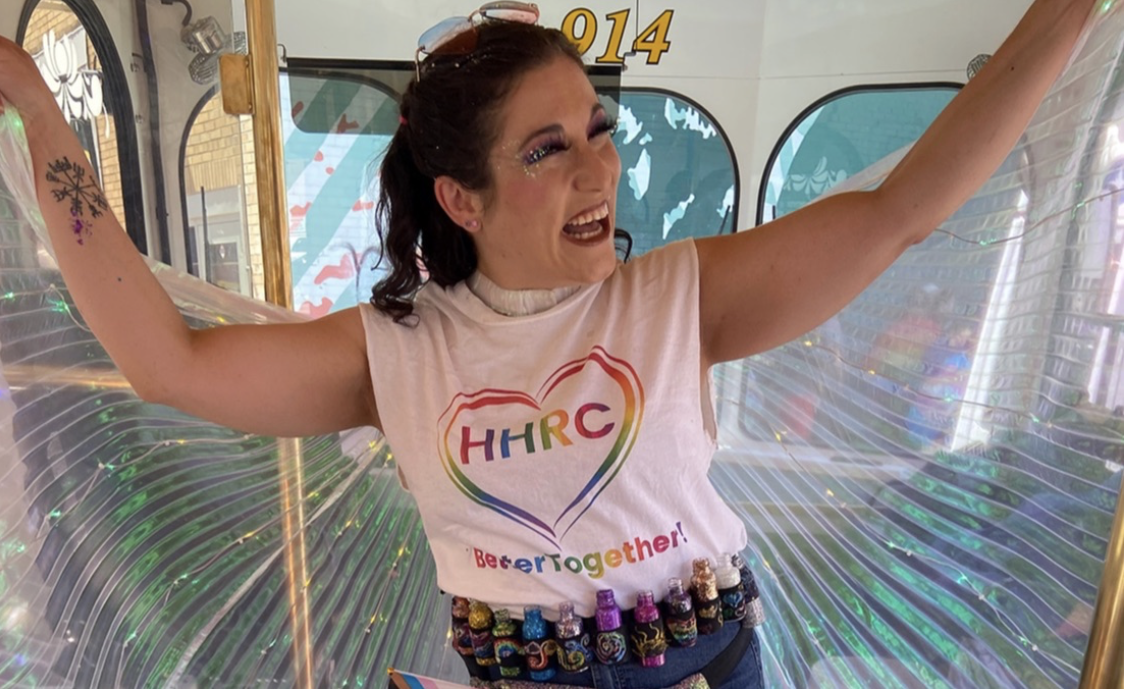
One project that filled me with gratitude this year was coordinating the HHRC’s presence at the Portland Pride Parade. Pride is both a celebration and a powerful act of visibility, solidarity, and resistance. Participating in Pride has been important to me for years, and being able to help shape how our organization showed up felt especially meaningful. In the lead-up, I spent time curating and sharing LGBTQ+ affirming resources, including creating bookmarks with inclusive book lists. From the behind-the-scenes preparation to walking together during the parade itself, the experience reminded me of the many ways our impact extends beyond formal programming. It lives in moments of visibility and connection, in standing up for and with one another, and in offering educational material that help people feel supported. Joining Pride was a reminder of our shared values. I am so grateful to be part of a community committed to inclusion, belonging, and human rights.
Piper Dumont
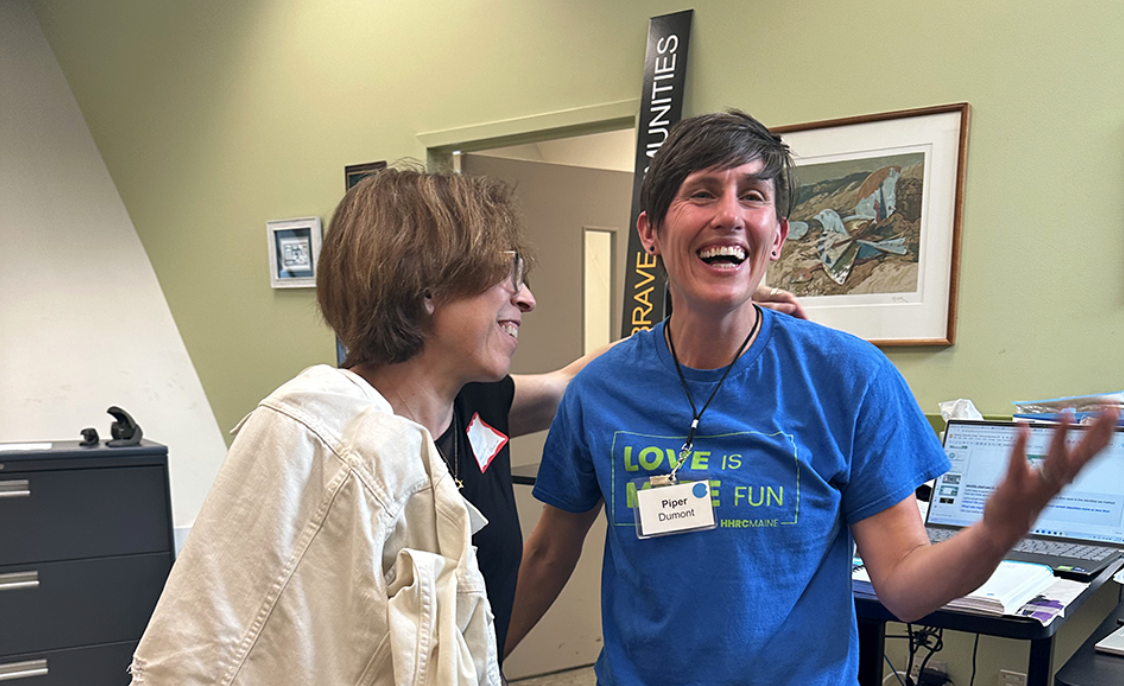
At the core of Gerda Haas' vision when creating the HHRC was the unique power of stories. Hearing from Holocaust survivors has profoundly impacted thousands of Maine youth and educators. By the time I joined the team, Charles Rotmil was one of a very few remaining survivors still sharing his story and insights in schools around the state. Even though he was describing his painful personal experiences about the darkest parts of our human story, he always anchored his message to resilience and hope. Not only did I hear his presentation, I also watched him patiently and insightfully engage with audiences reminding us of our moral responsibilities to each other, our better selves, and the ceaseless beauty of the world—including playing his harmonica to remind us of the power of music. I am immensely grateful to have learned from Charles, to have witnessed his courage, commitment, and the power of his voice. And to have laughed with him.
Julie Feldman-Menke
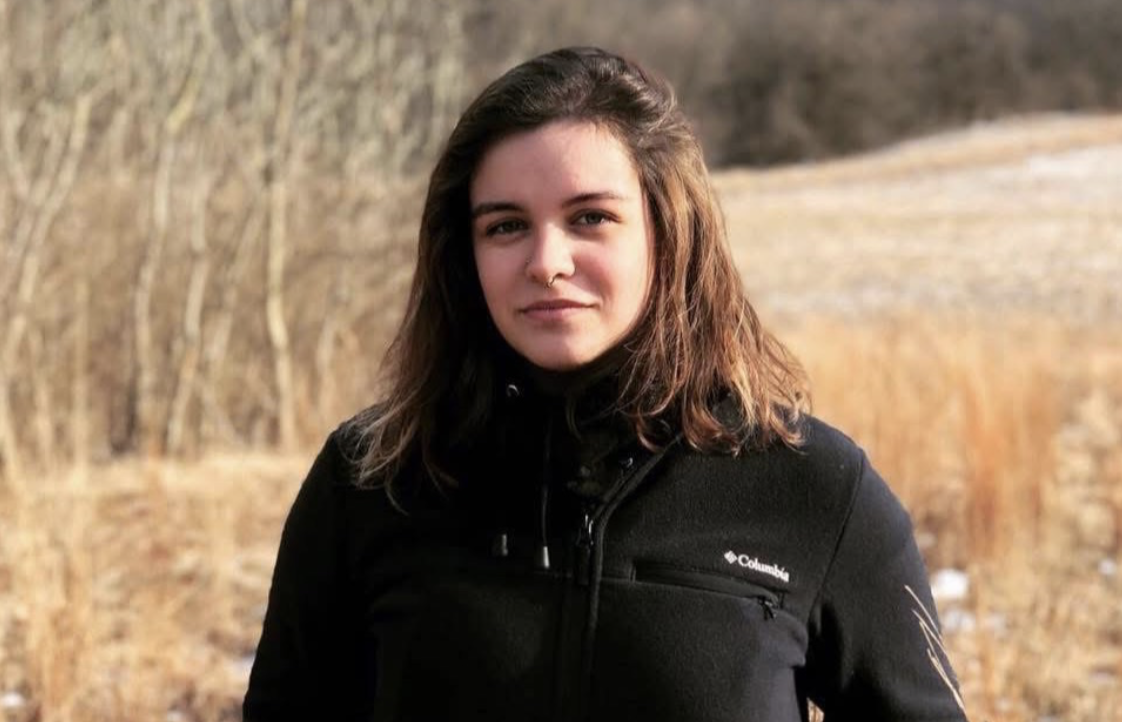
In a time when many young Jews, myself included, have felt increasingly disconnected and uncertain within our broader communities, helping with the Yellow Ribbons exhibit felt meaningful and connecting for me. In my day-to-day life, and especially online, I encounter antisemitism in ways that can feel isolating and perpetually exhausting. Over time, it's easy for that environment to shape expectations and foster a sense of weariness. The opening of the Yellow Ribbons exhibit offered a meaningful counterpoint to that experience for me. Through the work of Anya and Cami Davidson, the exhibit brought people together: Jewish and non-Jewish community members sitting side by side in visible solidarity and fortitude. It helped create a safe space rooted in compassion, solidarity, and inclusivity. I felt a genuine sense of belonging and reassurance in seeing how many people care deeply about the Jewish community, as small as we are in Maine. As someone who had only recently moved to Maine, the opening of the exhibit marked a moment I truly felt welcomed and supported here.
Sara Lennon
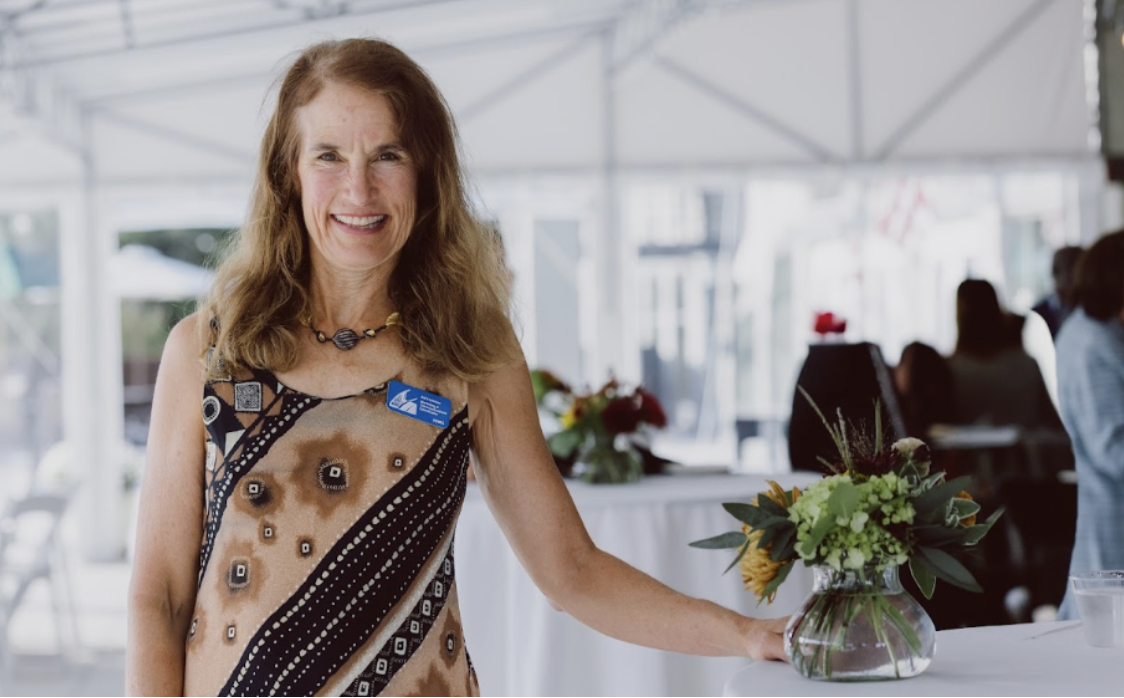
One of the projects I was lucky to spearhead during our year-long anniversary celebration was a 40-year Timeline that showcases the major achievements of each decade. It was a fascinating dive into the HHRC's founding and evolution, offering so many examples of achievements born of imagination, talent and determination—and the many, many people who joined in to make each new ambitious idea a reality. I had the honor of meeting with many of the people who participated in the organization's founding and evolution, including those who attended the Bowdoin College seminar, the impetus for creating a non-profit to work on human rights. I spoke with former board members, executive directors, artists, architects, scholars, donors, and decades-long community members. The experience was an inspiring reminder of the power of the human spirit. I am profoundly grateful for the project, and for this organization built on hope and action.
About the HHRC
The Holocaust and Human Rights Center of Maine promotes universal respect for human rights. Using the lessons of the Holocaust, and other events past and present, we encourage individuals and communities to reflect and act upon their moral responsibilities to confront prejudice, intolerance and discrimination.