

The Challenges Are Real and So Is Our Impact.
Across Maine, students have faced racial slurs, prejudice, and exclusion. Addressing that harm takes more than asking young people to be kind. It takes opportunities to understand how prejudice develops, question assumptions, and practice responding thoughtfully and safely. A student hears a hurtful remark directed at a classmate. They know something is wrong—but may not know what to say, how to help, or whether speaking up will make things worse. Every student deserves the opportunity to learn what they can do in that moment. That’s why HHRC provides those opportunities with tailored programs, visits to schools, honest conversations, and encouragement. Your financial support enables us to put that knowledge into their hands. Consider these statistics
1. Nearly half of American adults could not name a single Holocaust concentration camp or ghetto.
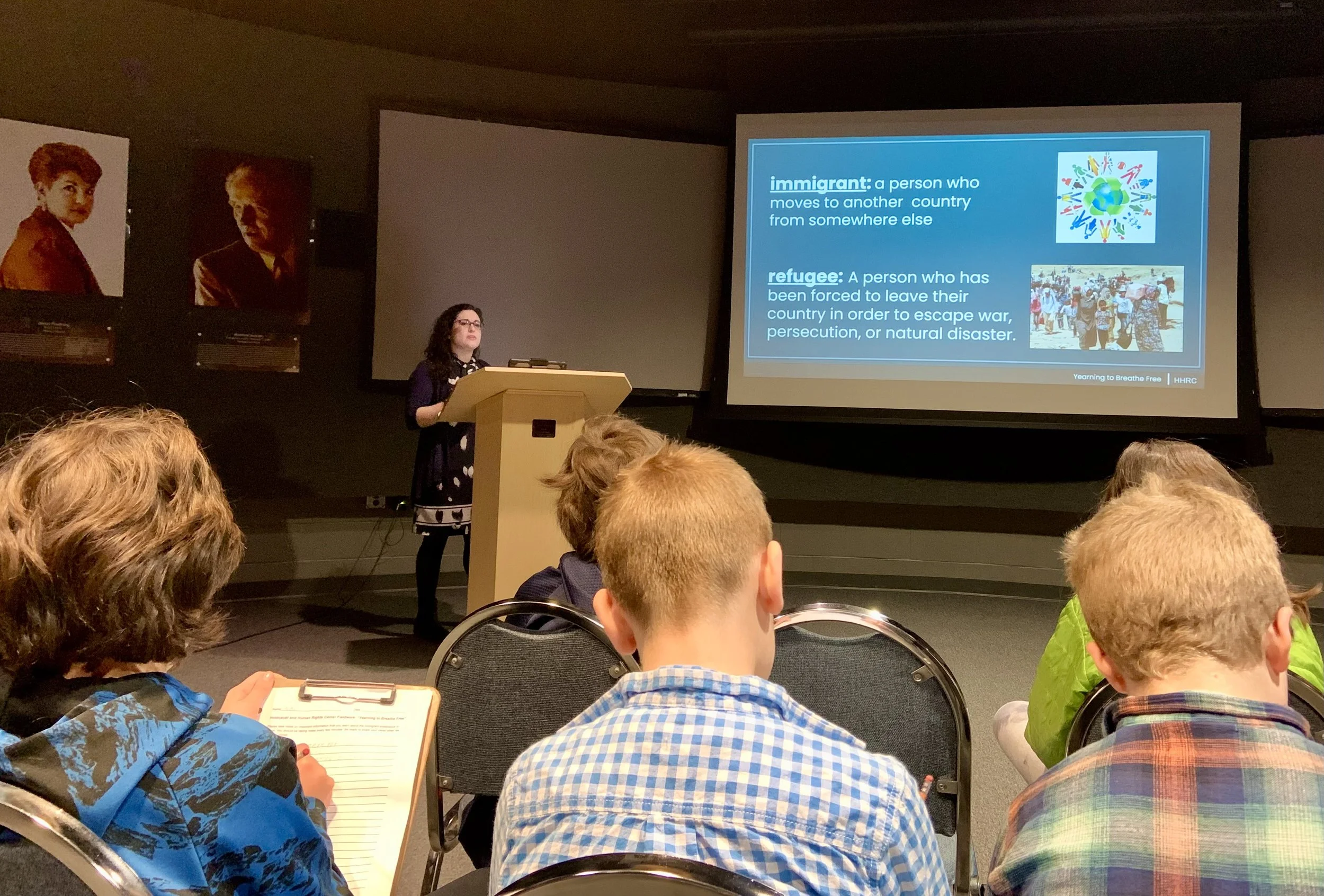
The Holocaust and Human Rights Center of Maine brings education into schools and communities across the state, helping people understand how prejudice takes hold, how discrimination escalates, and how their choices can protect the rights and dignity of others.
2. More than 1 in 5 Maine high school students reported being bullied at school in the past year.
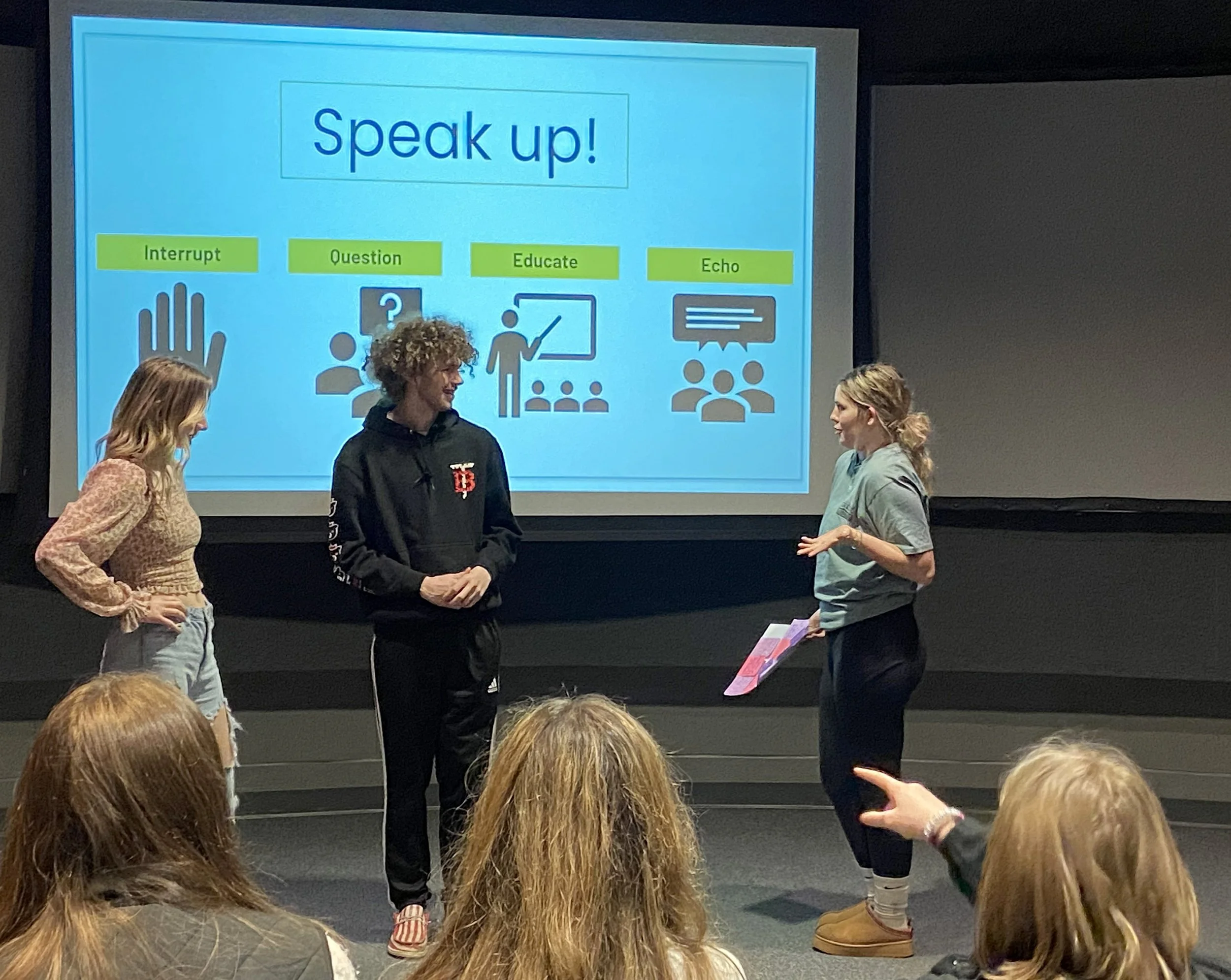
Through Be an Upstander, the Holocaust and Human Rights Center of Maine equips students with practical skills to recognize harmful behavior, speak up safely, and support those being targeted—helping build school communities where every student feels safe, respected, and included.
3. More than 6,000 multilingual learners attend Maine’s public schools. Every student deserves to belong.
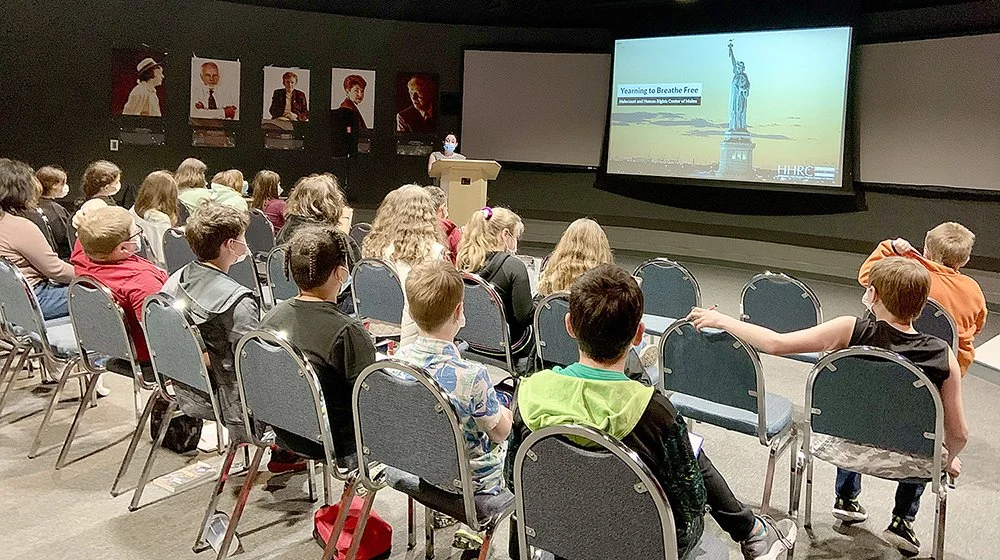
Through human rights programs like Yearning to Breathe Free: The Immigrant Experience in Maine, the Holocaust and Human Rights Center of Maine helps students understand the experiences and contributions of immigrants, examine prejudice, and build school communities where everyone is treated with dignity and respect.
4. A school’s budget should never determine whether students can learn to recognize and challenge prejudice.
The Holocaust and Human Rights Center of Maine provides free educational programs to schools and communities across the state, removing cost as a barrier to learning about the Holocaust, understanding human rights, and building the skills to respond to harm.
5. More than half of Mainers rarely or never talk with people whose political views differ from their own.
The Holocaust and Human Rights Center of Maine brings people together through education and conversation to examine prejudice, deepen understanding, and recognize our shared humanity—helping communities navigate differences while upholding the rights and dignity of everyone.
6. Students in Maine schools have faced racial slurs, taunts, and discrimination.
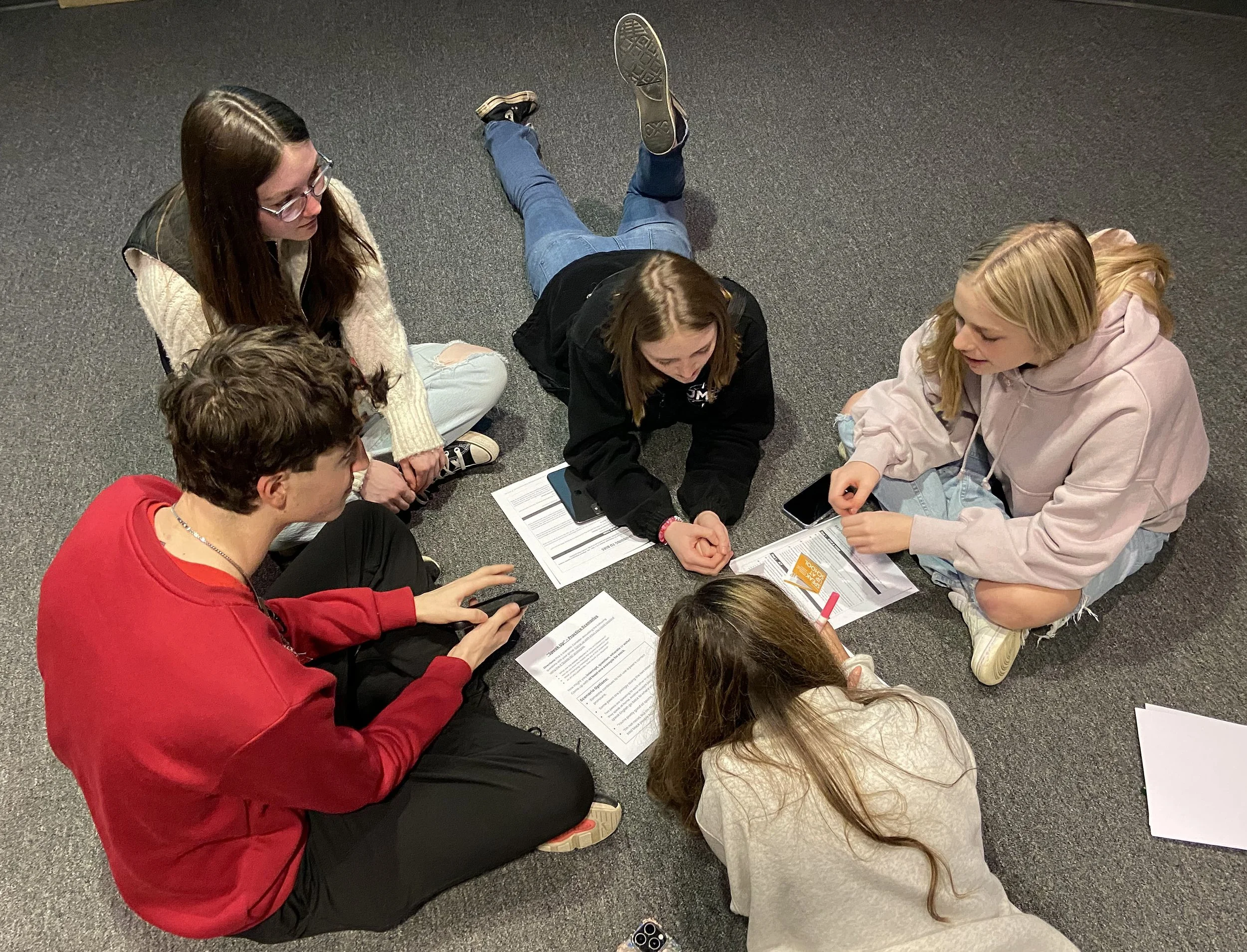
Through Hate Speech in Schools, HHRC helps students and educators understand the history and impact of hateful language and symbols, recognize how prejudice can escalate, and consider their role in confronting harm—helping build schools where every student’s dignity is protected.
7. For some Maine students, school is a place of isolation rather than belonging.
Through programs exploring identity, diversity, and inclusion, HHRC helps students and educators examine how assumptions shape the way they see others, recognize bias, and build classrooms where differences are respected and every student feels valued.
8. In Maine, some immigrant families have described children missing weeks of school because they were afraid.
Through Yearning to Breathe Free: The Immigrant Experience in Maine, HHRC helps students understand the histories and contributions of immigrants and examine the prejudice they have faced—building understanding and affirming the dignity of the people who share our classrooms and communities.
9. More than 4 in 10 Maine Millennials and Gen Z adults surveyed had encountered Holocaust denial or distortion online.
HHRC provides historically grounded Holocaust education that helps students and communities recognize misinformation, understand how antisemitism and persecution develop, and preserve the experiences of those whose lives were destroyed.
10. Fewer than half of U.S. adults report listening at least monthly to people with different beliefs.
HHRC’s community programming creates opportunities to learn together, examine difficult histories, and consider perspectives beyond our own—helping people navigate disagreement while upholding the rights and dignity of others.
11. Recognizing hate requires understanding the patterns that allow it to grow.
HHRC gives students, educators, and communities the historical knowledge and tools to recognize prejudice, examine the systems that sustain discrimination, and understand how harm can escalate. Through tools like the Pyramid of Hate, participants examine evidence, question assumptions, and consider their own responsibility—with opportunities to practice responding to harm in everyday life.